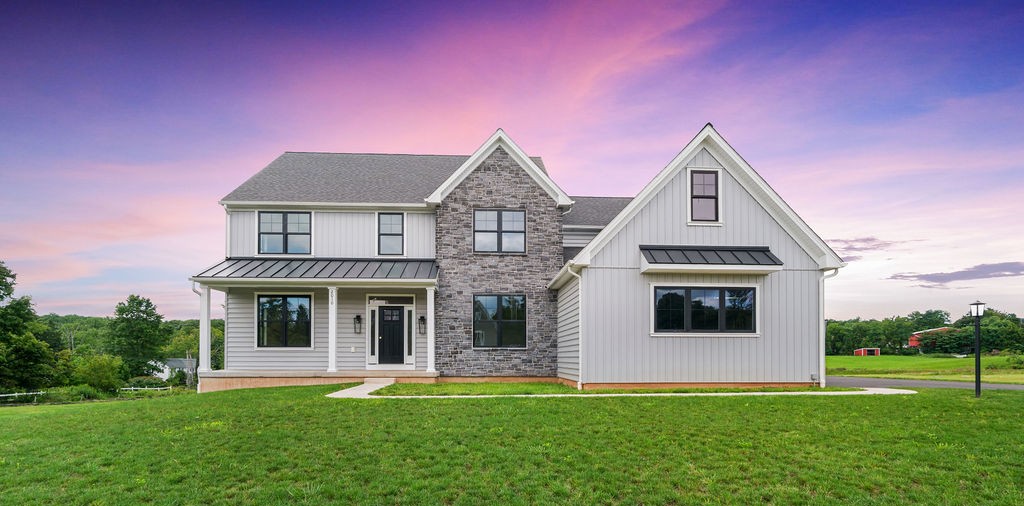
Your Guide to Building Your Custom Home in Pennsylvania This Spring
February 12, 2026

Spring has a way of nudging people toward big ideas. The days get longer, the weather softens and suddenly building a custom home in Pennsylvania feels possible and timely. We see it every year. Spring brings optimism and momentum, and it is one of the most popular times to start planning a new home.
What many homeowners do not realize is that a spring build is less about breaking ground right away and more about making smart decisions early. Land evaluation, permits, budgeting and design choices all happen well before construction begins, and those early steps shape everything that follows. We help homeowners navigate those decisions every day, especially when building on lots across Pennsylvania. Thoughtful planning in spring sets the tone for a smoother build and a home that truly fits the land and your way of life.
Lock In Your Builder Before the Spring Rush

Spring is the busiest season for custom home building in Pennsylvania. As soon as winter releases its grip, surveyors, engineers, soil testers and municipal offices all see a surge in requests. Builders’ schedules fill quickly as well.
Reaching out early gives you breathing room. We see homeowners benefit when they can:
- Secure a place on the construction schedule
- Take time refining floor plans and selections without pressure
- Start surveys, soil testing and feasibility reviews before consultants are booked solid
Early planning leads to better decisions. When the process feels calm and organized, homeowners can focus on creating a home that lasts rather than reacting to deadlines.
Prepare for Pennsylvania’s Spring Thaw, Mud and Drainage Challenges
Spring weather in Pennsylvania brings thawing ground, heavy rain and soil that is often rich in clay. Without proper preparation, job sites can become muddy and unstable.
An experienced builder looks closely at grading, drainage paths, temporary access drives, soil compaction needs and how water flows around the future foundation. These details matter more than many people expect. Proactive site preparation helps prevent foundation concerns, construction delays and costly fixes later. It also keeps the build moving even when spring weather is unpredictable.
Expect Permitting Delays and Plan for Them Early
Spring also means a rush of permit applications across townships and counties. Review timelines can slow down as offices handle increased volume.
Permitting varies by location in Pennsylvania. Zoning rules and setback requirements vary by township. Septic systems require soil testing and health department approval. Many municipalities require stormwater management plans. The Pennsylvania Uniform Construction Code establishes statewide standards, but enforcement is handled locally.
Handled early and guided by an experienced builder, permitting does not have to feel overwhelming. Starting this work in the spring helps avoid bottlenecks later in the year.
Understand Your Pennsylvania Lot Before You Finalize a Floor Plan
Land should shape the home design, not the other way around. We encourage homeowners to understand their lot before locking in a floor plan.
Key considerations in Pennsylvania include septic versus public sewer, well placement and setbacks, slopes and grading limits, tree preservation and potential wetlands or floodplain restrictions. Each factor can influence layout, foundation type and overall cost.
Evaluating these constraints early helps avoid redesigns and delays, leading to a home that fits naturally on the property.
Build a Budget That Reflects the Full Cost of Building in PA

A realistic budget looks beyond the house itself. Custom home budgets typically include home construction, site work and land development, design and customization, permits and engineering, landscaping and driveways and contingency reserves.
We always encourage homeowners to plan for the full picture. A well-structured budget creates flexibility, reduces stress and protects long-term financial comfort. It also makes decision-making easier as the project moves forward.
Understand the True Timeline of a Custom Home
Building a custom home in Pennsylvania is a multi-phase process. From the first conversation to move in, it often spans 12 to 36 months.
The phases include lot evaluation and feasibility, design development and customization, financing and approvals, permitting and engineering, selections and pre-construction planning, and construction and inspections.
Spring marks the beginning of planning, not immediate construction. When homeowners understand this timeline, expectations stay realistic and the process feels far more manageable.
Use Financing Options and Incentives Strategically
Financing plays a major role in spring builds. Many homeowners use construction-to-permanent loans that convert to a mortgage after completion. Builder incentives, such as closing-cost credits or design upgrades, can also affect overall value.
It is important to understand interest rate structures and long-term affordability, not just monthly payments. Speaking with lenders early helps align financing with the build schedule and budget goals.
Orient Your Home for Sunlight, Comfort and Efficiency in PA

Home orientation matters in Pennsylvania’s four-season climate. Thoughtful orientation can maximize natural light and passive solar heat, reduce winter heating costs, encourage snow and ice melt on driveways and walkways, create comfortable outdoor living spaces and prepare rooflines for future solar panels.
These decisions must be made early, before design and site layout are finalized. Orientation is one of the simplest ways to improve comfort and efficiency for decades.
Add Radon-Resistant Features During Construction
Radon is common in Pennsylvania soils. Testing typically happens after move-in, but installing radon-resistant features during construction is far easier and more affordable than retrofitting later.
This is a practical preventative step supported by guidance from the Environmental Protection Agency. It protects health, simplifies mitigation if needed and supports resale value.
Pre-Wire for Technology Before Drywall Goes Up
Pre-wiring during framing is one of the most cost-effective upgrades homeowners can make. Structured wiring supports reliable internet and home offices. It also prepares the home for smart security, automation and whole-home audio.
Adding these systems later is more expensive and disruptive. Planning ahead keeps installations clean with no visible cables and ensures the home is ready for evolving technology.
Design for Long-Term Living and Flexibility
We often talk with homeowners about comfort today and adaptability tomorrow. Universal design features do not need to feel clinical.
First floor owner’s suites, wider doorways and hallways, no step entries and flexible rooms that shift from office to guest space to bedroom all help a home evolve with changing needs. These features add everyday comfort and reduce the need for future renovations.
Blend Timeless Design With Practical Trends
Pennsylvania homes benefit from designs that feel warm, functional and lasting. Built in cabinetry and smart storage, natural wood accents, warm neutral color palettes, flex rooms with hidden organization and covered outdoor living spaces all work well in our climate.
Trends are most effective when they support daily living and long term value rather than chasing what is popular for a single season.
Starting Strong and Building With Confidence

Spring is one of the best times to begin planning a custom home in Pennsylvania because it gives you the space to think clearly, plan thoroughly and make decisions that will shape your home for years to come. The choices made early around land, design, budgeting and permits have a lasting impact, and having the right guidance from the start makes all the difference.
If building a custom home this spring is something you are seriously considering, now is the time to start the conversation with Rotelle Studio(e). We work with homeowners to evaluate land, clarify costs and design homes that reflect real-life needs, not just floor plans. Beginning early creates flexibility, protects your timeline and sets the foundation for a smooth, well-managed build from first discussion to move-in day.
Frequently Asked Questions About Building a Home in Pennsylvania
Is spring a good time to start building a home in Pennsylvania?
Yes. Spring is ideal for planning and permitting. While construction may not start immediately, spring allows time to evaluate land, complete designs, secure permits and prepare the site before peak summer activity.
How long does it take to build a custom home in Pennsylvania?
Most custom homes take between 12 to 36 months from initial planning to move in. Weather, permitting timelines and customization level all influence the schedule.
Do I need to own land before I start the design process?
No. Many homeowners begin designing before they own land. However, lot characteristics such as slope, septic requirements and zoning should be evaluated early.
What permits are required to build a home in Pennsylvania?
Permits typically include zoning approval, building permits and inspections required under the Pennsylvania Uniform Construction Code. Additional approvals may be needed for septic systems, stormwater management or environmental conditions.
How does septic versus sewer affect building a home in PA?
Septic systems often require larger lot sizes and soil testing. Sewer connected lots may allow smaller parcels but still have local requirements that affect design and cost.
Is radon a concern when building in Pennsylvania?
Yes. Radon is common in many areas of the state. Adding radon resistant features during construction is a cost effective preventative measure.
When should I finalize my floor plan and design selections?
Floor plans and major decisions should be finalized before permits are submitted. Early decisions help prevent delays and cost increases.
Should I plan for smart home technology during construction?
Yes. Pre wiring before drywall is installed is more efficient, affordable and reliable than adding systems later.
What features help a home age well over time?
First floor living, wider doorways, no step entries and flexible rooms help a home adapt to changing needs while adding comfort today.