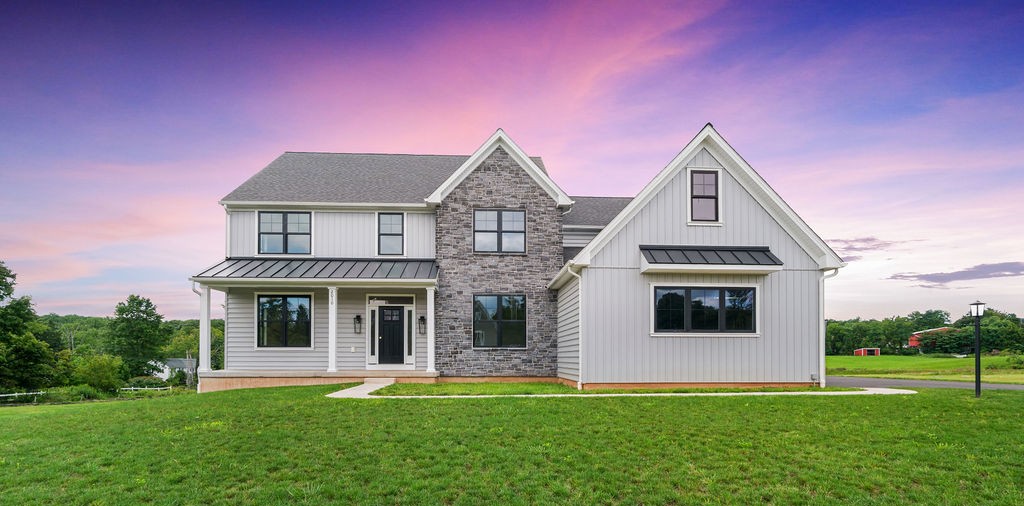
2027 Custom Home Design Trends: The Ideas Worth Building Into Your Forever Home
July 20, 2026

Every year brings a new list of design trends. Cabinet colors change. Lighting gets bolder, then softer. Tile patterns have a moment, disappear and come back under a new name.
At Rotelle Studio(e), we look at custom home design trends for 2027 through a longer lens. The ideas worth building into a forever home are not the ones that simply photograph well. They are the ones that improve comfort, flexibility, wellness, energy performance and everyday life. We spend more time thinking about how a home will feel in 2057 than whether it looks current in 2027.
That perspective changes everything.
Key Takeaways
- The best custom home trends improve how a home functions, not just how it looks.
- Wellness, energy efficiency and flexibility are becoming bigger priorities than oversized luxury.
- Smart home technology works best when it blends into daily life.
- Timeless architecture consistently outlasts trend-driven design.
- The most valuable design decisions happen during architectural planning, not finish selection.
- The best custom homes balance modern innovation with classic design principles.
Why Most Home Design Trends Don’t Last

Social media has made trend cycles faster than ever. A backsplash can feel fresh in January and overdone by December. That does not mean design trends are useless. It means we have to be careful about which ones deserve a permanent place in a custom home.
Finishes are flexible. Paint can change. Lighting can change. Cabinet hardware can change. What matters more is the structure underneath: the floor plan, natural light, proportions, circulation, storage, energy systems, indoor-outdoor connection and relationship to the land.
That is why we do not design around Pinterest boards alone. Inspiration is helpful, but a home should be built around the way you live. During the Rotelle Proc(e)ss, we look at the land, the lifestyle and the long-term plan before getting lost in the finish package.
Trend #1: Wellness Is Becoming Part of the Floor Plan
Wellness is no longer limited to a home gym or a soaking tub. In 2027, wellness home design is becoming part of the floor plan itself.
Natural daylight matters. So does ventilation, indoor air quality, acoustic comfort, filtered water, better sleep environments and a stronger connection to the outdoors. The EPA notes that source control and improved ventilation are important parts of improving indoor air quality, which is why these conversations belong early in the design process, not after move-in.
In a custom home, wellness can show up in quiet ways. A primary suite placed away from noisy living areas. Larger windows positioned for morning light. A home office with better sound separation. A covered porch that invites you outside in more seasons. A bathroom that feels calm because the lighting, storage and shower design were planned carefully.
Biophilic design, which simply means connecting the home to nature, also fits naturally in Pennsylvania. Wooded lots, rolling views, garden-facing windows and indoor-outdoor spaces can all support a home that feels healthier without feeling like a wellness retreat.
Trend #2: Energy Efficiency Becomes a Design Priority
Energy efficiency is not a niche feature anymore. It is becoming a core design priority, especially for homeowners building a custom home they plan to live in for decades.
That includes better insulation, high-performance windows, efficient HVAC, heat pumps, smart thermostats, solar readiness, EV charging, battery storage readiness and energy monitoring. ENERGY STAR notes that certified homes are at least 10% more efficient than homes built only to minimum code, which reflects how much performance can be gained when energy is planned from the start.
In Pennsylvania, this matters because homes work hard through hot summers, cold winters, humidity, snow and seasonal swings. A well-designed envelope can make the home feel more consistent, not just more efficient.
This is also where architecture and performance meet. Window placement, rooflines, orientation, mechanical systems and insulation all affect how the home lives. Those choices happen long before anyone chooses a countertop.
Trend #3: Flexibility Is the New Luxury
The old version of luxury was often about more square footage. The new version is about rooms that earn their place.
Flexible floor plans are becoming one of the strongest custom home features because life changes quickly. A room may need to function as a home office now, a nursery later, a guest room after that and a quiet hobby space someday. The best plan makes those changes feel natural.
That is why we like flexible rooms with good light, proper storage and a thoughtful location near a bath when possible. A first-floor flex room can support visiting parents, adult children, long-term guests or recovery after surgery without being locked into one identity.
Home offices are still important, but they need to be better than the improvised spaces many people accepted a few years ago. Fitness rooms, creative studios, playrooms and multigenerational spaces all benefit from the same idea: design the room for change, not just for the current season.
Trend #4: Kitchens Continue Becoming the Center of the Home

The kitchen is still the center of the home, but the best custom kitchen trends are becoming more practical.
Large islands are not going anywhere, but they need to work hard. Storage, seating, prep space, outlets, lighting and traffic flow all matter. Hidden pantries, prep kitchens and appliance garages are also gaining attention because they keep the main kitchen beautiful without making it do every messy job in public.
Integrated appliances, furniture-style cabinetry and layered lighting help the kitchen feel more connected to the rest of the home. Storage-first design is especially important. Deep drawers, pull-outs, tray storage, hidden charging areas and pantry organization often make a bigger difference than a dramatic finish.
At Studio(e), finishes matter, but we always come back to function. A kitchen should look beautiful, but it also needs to work on a school morning, during a holiday, after a grocery run and on a quiet night when no one wants to clean up a complicated layout.
Trend #5: Outdoor Living Keeps Expanding
Outdoor living spaces are becoming everyday rooms, not occasional extras. Covered patios, outdoor kitchens, fireplaces, retractable screens, landscape lighting and flexible seating areas can extend the way a home lives through more of the year.
That matters in Pennsylvania. We get enough seasonal variety that outdoor spaces need to be planned with sun, shade, wind, privacy and weather in mind. A covered porch off the kitchen may get more use than a large uncovered patio that looks impressive but overheats in July.
The AIA Home Design Trends Survey tracks emerging home, kitchen, bath and property features, and outdoor living continues to be part of the broader conversation around how homeowners use their spaces. For a custom build, the best outdoor areas should feel connected to the home’s architecture through doors, sightlines, lighting, rooflines and materials.
Trend #6: Smart Homes Become Invisible
Smart home technology is most successful when it disappears into daily life.
Lighting automation, HVAC controls, security, leak detection, motorized shades, smart locks, garage controls and voice assistants can all make a home easier to manage. AI-powered home management will keep growing, but the goal should never be technology for its own sake.
The best smart home technology supports comfort, efficiency and peace of mind without turning the house into a gadget showroom. Lights adjust without fuss. Shades respond to sun. A leak sensor catches a problem early. The thermostat learns patterns. Security feels simple.
Planning technology during construction keeps it cleaner. Wiring, outlets, access points, network equipment and device locations can be considered before drywall. Retrofitting later usually means more compromise.
Trend #7: Warm Minimalism Replaces Cold Modernism
The all-white, overly sterile version of modern design is losing ground. What is replacing it is warmer, calmer and more livable.
Warm minimalism uses natural wood, stone, earth tones, organic textures, mixed metals and layered materials. It keeps the clean lines people like, but removes the coldness that can make a home feel staged instead of lived in.
This shift pairs well with timeless home design. A warm neutral palette, natural materials and thoughtful proportions can feel current without relying on a single trendy look. Modern farmhouse trends in 2027 are moving this way too. The strongest versions are less about signs, shiplap and black windows everywhere, and more about honest materials, simple forms, practical layouts and a home that feels grounded.
What Will Never Go Out of Style

Some ideas are bigger than trends.
Natural light will always matter. Thoughtful proportions will always matter. Quality craftsmanship, flexible layouts, energy performance and a strong connection to the land will always matter. A home that feels calm, functional and well-built will age better than one designed around whatever was loudest online that year.
The NAHB continues to track what home buyers value, and the larger pattern is worth paying attention to: livability, comfort, efficiency and function are not passing ideas. They are core parts of how people evaluate a home.
This is where timeless architecture earns its place. Rooflines, window patterns, ceiling heights, room transitions and exterior materials all affect how a home feels long after the color palette changes.
How We Think About Design at Rotelle Studio(e)
At Rotelle Studio(e), every design starts with the homeowner. We want to understand how you live, how you gather, how you work, what you want from the land and what you hope the home still gives you decades from now.
That is why architecture comes before finishes. The finish selections are important, and they are often the most exciting part of the process, but lasting value starts earlier. It starts with the plan, the siting, the flow, the storage, the light and the way each room supports real life.
Our floor plans are designed to be tailored, giving homeowners a strong starting point without forcing a one-size-fits-all answer. The gallery can help spark ideas, but the goal is never to copy a look. The goal is to create a home that feels personal, timeless and deeply livable.
Building a Home You’ll Still Love in 2057
The best design trends are not really trends. They are thoughtful decisions that make everyday life better.
Paint colors will change. Furniture will change. Technology will evolve. What should last is the feeling of walking into a home that fits your life, respects the land and still feels relevant decades later.
Thinking about building a custom home that feels just as relevant in 2057 as it does in 2027? Bring us your ideas, your land and your vision, and we will help you design a home built around timeless principles rather than temporary trends.
Frequently Asked Questions
What are the biggest custom home design trends for 2027?
The biggest custom home design trends for 2027 include wellness-focused floor plans, energy efficiency, flexible rooms, expanded outdoor living, invisible smart home technology and warmer, more natural interiors.
Which home styles will be popular in 2027?
Timeless styles with warmer materials and cleaner lines are likely to remain popular. Modern farmhouse, transitional, craftsman-inspired and classic Pennsylvania designs can all work when the architecture feels balanced rather than trend-driven.
Are open floor plans still popular?
Yes, but they are becoming more refined. Homeowners still want connection between the kitchen, dining and living areas, but they also want quiet rooms, flexible spaces and better sound control.
Is the modern farmhouse still in style?
Modern farmhouses are still relevant when it is handled with restraint. The strongest versions focus on simple forms, warm materials, useful porches and timeless proportions rather than overly trendy details.
What smart home features are worth adding?
Lighting automation, smart thermostats, leak detection, security, motorized shades, strong Wi-Fi planning and EV charging readiness are among the most useful smart home features to consider during a new build.
What makes a home timeless?
A timeless home has good proportions, natural light, quality craftsmanship, durable materials, flexible rooms and a strong connection to the land. It does not rely too heavily on one short-lived finish trend.
Should I build around current trends or long-term value?
Use current trends for inspiration, but build around long-term value. Structural decisions, floor plan flow, energy performance and everyday function matter more than finishes that can be changed later.
Which custom home features improve resale value?
First-floor living, energy efficiency, flexible rooms, strong storage, outdoor living spaces and well-designed kitchens tend to have broad appeal because they improve how the home functions.
How can I make my home feel modern without chasing trends?
Focus on clean proportions, natural materials, layered lighting, useful technology and a calm color palette. A home can feel current without being tied to one narrow design moment.
What design decisions matter most during a custom build?
The most important decisions involve the floor plan, home orientation, window placement, storage, mechanical systems, room flexibility, outdoor connections and how the home sits on the land.